 Machine Octopus
Quality used machinery from trusted brokers
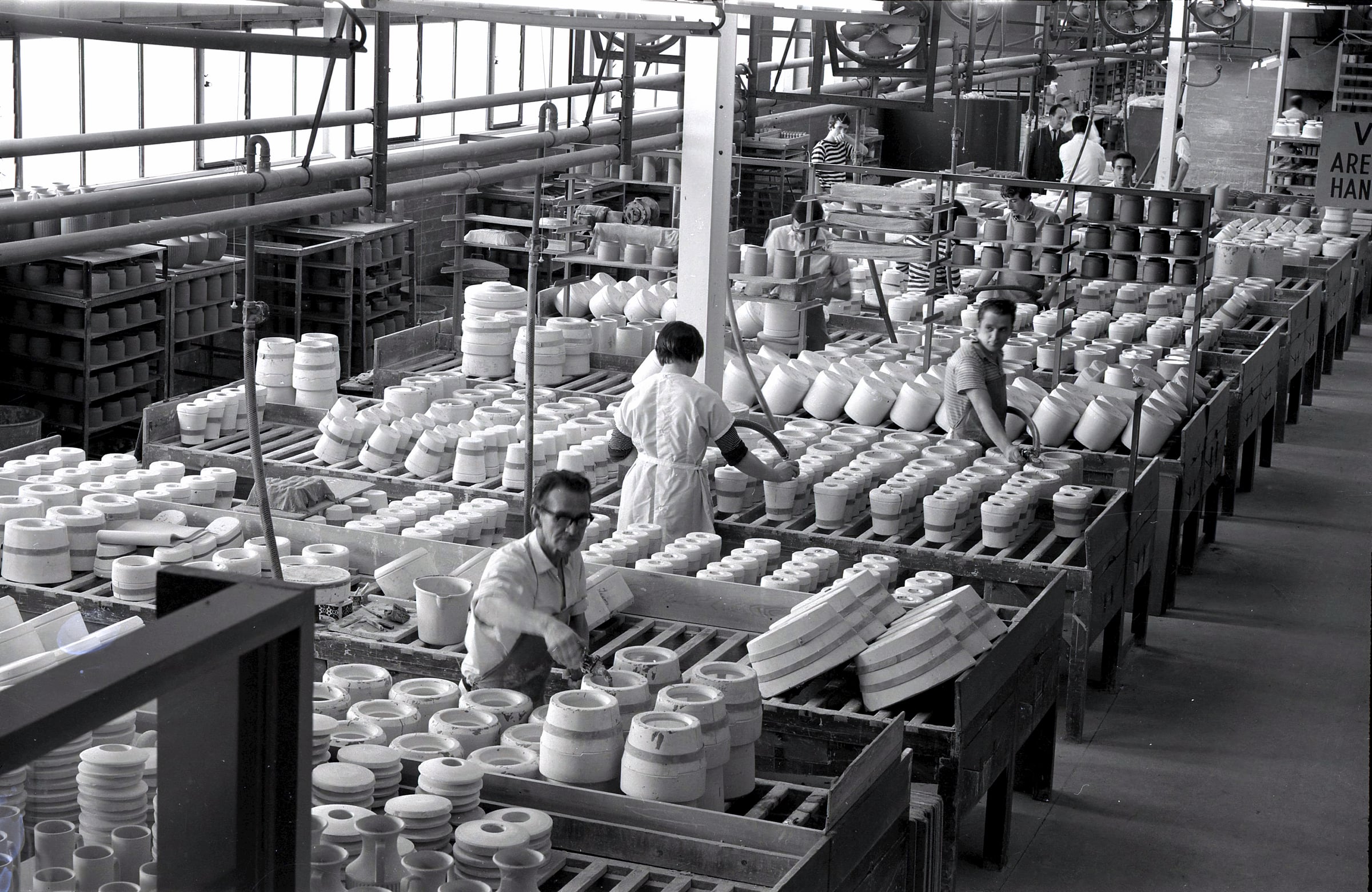
Plastics processing machinery is more than the moulding machine
A moulding machine makes nothing on its own — drying, dosing, welding and calibration finish the part.
An injection moulding machine on its own doesn't make a finished part. Drying, dosing, welding, and cooling equipment does most of the invisible work either side of it, here's what each stage actually does.
Search "plastics processing machinery" and most of what comes back is injection moulding, Arburg, Krauss Maffei, Battenfeld, and so on. Fair enough, it's the machine that gets the credit. But a moulding machine on its own doesn't produce a finished, usable part. The plastic has to be dried before it goes anywhere near a hopper, extrusion needs the profile calibrated and cooled the moment it leaves the die, and plenty of moulded parts need joining, dosing, or finishing before they're actually done. Our plastics processing category has 185 machines in it, and a good chunk of them are this supporting equipment rather than moulding machines themselves. Here's what it actually does.
Getting the material ready: drying and dosing
Engineering plastics, PC, PET, PA (nylon), POM, are hygroscopic, meaning they pull moisture out of the air, and moulding them wet causes real defects: splay marks, bubbles, and parts that are structurally weaker than they should be. Commodity plastics like PP and PE need far less of this, but anything technical has to be dried properly before it's processed, and on a factory floor that's rarely one dryer bolted to one machine. A Werner Koch A/MV central drying and conveying system, currently listed, shows what that looks like at scale: two dry-air dryers (41kW and a newer 51kW unit added in 2021), 26 drying hoppers, 38 machine hoppers, and a Koch Navigator distribution system feeding dried material out to 38 separate points from one central station. This is the material-handling backbone that keeps an entire shop floor of moulding machines fed with properly conditioned material, not something you'd notice on a factory tour, but everything downstream depends on it.
Dosing is a related but different job, mixing components in precise ratios right before they're used, rather than just moving dried granulate around. A Scheugenpflug LP 804 20/20 dosing machine, currently listed, is a two-component dispensing and metering unit, the kind of equipment used for potting and encapsulating electronic assemblies or automotive components with reactive compounds like epoxy or polyurethane, work that has to happen in the right ratio and within a tight working window after mixing, well outside what a moulding machine itself handles.
Joining parts after they've been moulded
A finished product is often more than one moulded part. Ultrasonic welding joins two plastic components by vibrating them against each other at ultrasonic frequency, generating enough localised frictional heat to melt and fuse the joint, no adhesive, no fasteners, and a cycle measured in seconds. It's standard in automotive, medical device, and consumer electronics assembly, wherever moulded housings or components need to be sealed or joined after they come off the press. A Swiss-Sonic UWP 20-1 ultrasonic welding plant, currently listed, is a pneumatic welding press with 3,000N of pressing force and a 220mm throat depth, complete with its generator, exactly this kind of assembly-stage equipment that a search for "plastics post processing machines" is actually looking for.
Extrusion has its own auxiliary equipment, and it isn't the same as moulding's
It's worth being clear that injection moulding and extrusion are different processes with different supporting kit. Extrusion pushes molten plastic continuously through a die to make pipe, profile, or sheet, and the moment it leaves the die it has to be held to the correct shape and dimensions while it cools, or it deforms. That's a vacuum calibration and cooling tank's job: it pulls the hot, just-extruded profile against a sizing sleeve using vacuum while water cooling sets its final shape. A Sandern V-125/2/6 vacuum cooling tank, currently listed, handles pipe up to 125mm diameter through a 6-metre, two-chamber tank, the kind of equipment that sits immediately downstream of an extrusion line rather than a moulding machine, and a good reminder that "plastics processing machinery" covers more than one production process.
What actually matters when buying this equipment used
The badge matters less here than compatibility and capacity. For drying and conveying systems, check the dryer's air capacity and hopper count against what you actually need to feed, a system sized for 38 machine hoppers is wasted capacity for a five-machine shop, and undersized for a bigger one. For dosing equipment, tank volume and shot accuracy matter more than brand, and it's worth confirming the control system, older units without a modern PLC can be harder to integrate into an existing line. For welding equipment, pressing force and throat depth need to match your part geometry, not just be "big enough." And for anything extrusion-side like a calibration tank, pipe or profile diameter range is the number that actually decides whether it fits your line at all.
Energy consumption is also worth asking about directly, dryers in particular run continuously and the difference between an older and newer unit's power draw adds up over a working year, which is exactly why the Werner Koch system above is worth a look, it already has a newer, more efficient dryer added alongside the original.
Where to look
Browse everything currently listed in our plastics processing machines category, 185 machines and counting, moulding machines and the auxiliary equipment above included. If it's the moulding machines themselves you're after, our used injection moulding machines guide covers Arburg, Krauss Maffei, and Battenfeld in detail, and our due diligence checklist covers what to check before you commit to any of it.
Frequently Asked Questions
What counts as plastics processing machinery besides injection moulding machines?
Injection moulding is only one part of it. Plastics processing machinery also covers extrusion equipment, and everything that supports both processes: material drying and conveying systems, dosing and mixing equipment, ultrasonic welding for joining moulded parts, and vacuum calibration and cooling tanks for extrusion lines.
Why does plastic need to be dried before processing?
Engineering plastics like PC, PET, PA (nylon), and POM are hygroscopic, meaning they absorb moisture from the air. Processing them wet causes defects such as splay marks, bubbles, and weaker parts. Commodity plastics like PP and PE need far less drying.
What is ultrasonic welding used for in plastics manufacturing?
It joins two plastic components by vibrating them against each other at ultrasonic frequency, generating enough friction heat to melt and fuse the joint without adhesive or fasteners. It's standard in automotive, medical device, and consumer electronics assembly after parts come off the moulding machine.
What's the difference between injection moulding and extrusion auxiliary equipment?
Injection moulding needs material drying, dosing, and post-mould joining or finishing equipment. Extrusion needs vacuum calibration and cooling tanks immediately after the die to hold the profile's shape while it cools, equipment that injection moulding lines don't use at all.
What should I check before buying used plastics processing auxiliary equipment?
Match capacity to your actual line, dryer air capacity and hopper count, dosing tank volume, welding press force and throat depth, or calibration tank pipe and profile diameter range, rather than judging by brand alone. Also check the control system's compatibility with your existing setup.
This article is for general informational purposes only and does not constitute legal, financial, tax, or professional advice. Always confirm compliance, tax, and import requirements with a qualified professional or the relevant authority before making a purchasing decision.
More Articles
View all articles →
17 September 2026
The oldest machines on Machine Octopus, and what they were built to make
Fifteen machines built between 1940 and 1959 are still listed and still working. Here is what each one actually does.
17 September 2026
Pre-1960 machine tools: the full inspection guide
How to read way wear, test a spindle, spot the parts that actually fail, and where you stand legally on a machine built before CE marking existed.
31 August 2026
How to sell used industrial machinery in 2026: pricing it right, and what actually makes a buyer commit
What actually determines how fast a used machine sells, and why holding out for scrap rarely pays off