 Machine Octopus
Quality used machinery from trusted brokers
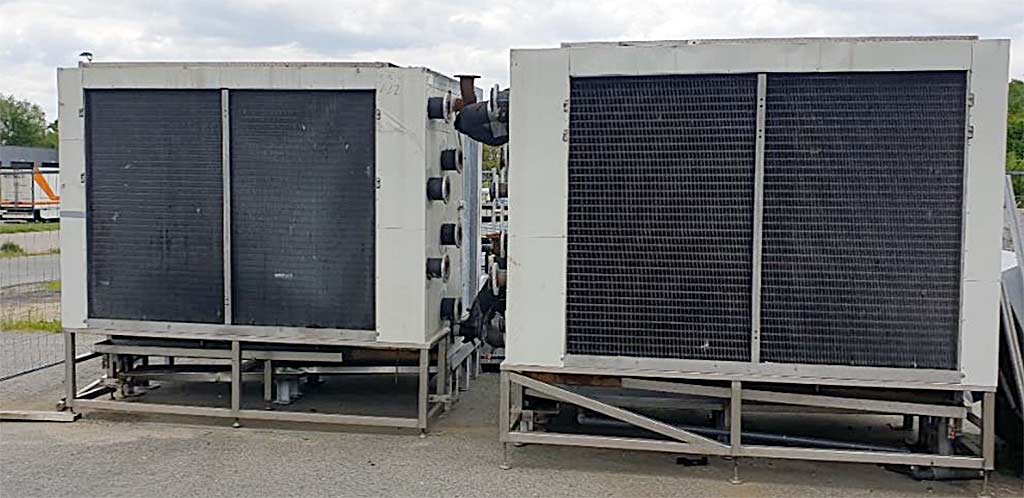
Alfa Laval/Thermofin M10/TBN Plate Heat Exchanger
Specifications
Overview
Alfa Laval Plate Heat Exchanger
- Model
- M10-BW
- Year of manufacture
- 2005
- Cooling capacity
- 115 kW
- Flow rate
- 28.2 m³/h
- Refrigerant
- NH3
Thermofin Finned Tube Heat Exchanger
- Model
- TBN
- Year of manufacture
- 2019
Accessories
Interested in this machine?
Get in touch with the seller to find out more, discuss pricing, or arrange a viewing.
Contact Seller
Know someone who might be interested?
Share this machine with colleagues or friends
Share this machine
AI Description
BetaCapabilities
This recirculating air cooling system combines two complementary heat exchangers to efficiently remove heat from industrial processes. The Alfa Laval M10-BW plate heat exchanger delivers 115kW of cooling capacity with a flow rate of 28.2m³/h using ammonia refrigerant, while the Thermofin finned tube heat exchanger provides additional cooling stages. Together, they create a robust system for temperature control in demanding applications.
Industries & Uses
Food processing plants, breweries, chemical manufacturers, and pharmaceutical facilities rely on systems like this to maintain precise temperatures during production. Cold storage warehouses, ice-making operations, and industrial refrigeration systems also depend on plate and finned tube heat exchangers for efficient heat rejection. Any operation requiring reliable, continuous cooling of large volumes benefits from this dual-exchanger setup.
What to Check When Buying
When evaluating this used system, request complete maintenance records and service history—plate heat exchangers can develop leaks at gasket seals over time, particularly with ammonia systems. Inspect the finned tubes for corrosion, scale buildup, or physical damage that reduces cooling efficiency. Verify that all documentation is included and confirm the system has been properly stored. Have a technician pressure-test the ammonia circuits and check refrigerant charge levels before installation.
This description is AI-generated and is intended as a general guide only. As with all AI-generated content, it may contain inaccuracies. Please verify all details directly with the seller before making a purchasing decision.
Interested in this machine?
Get in touch with the seller to find out more, discuss pricing, or arrange a viewing.
Contact Seller
Similar Machines
More machines in Heat exchanger
Know someone who might be interested?
Share this machine with colleagues, partners, or friends who might be looking for similar equipment.