 Machine Octopus
Quality used machinery from trusted brokers
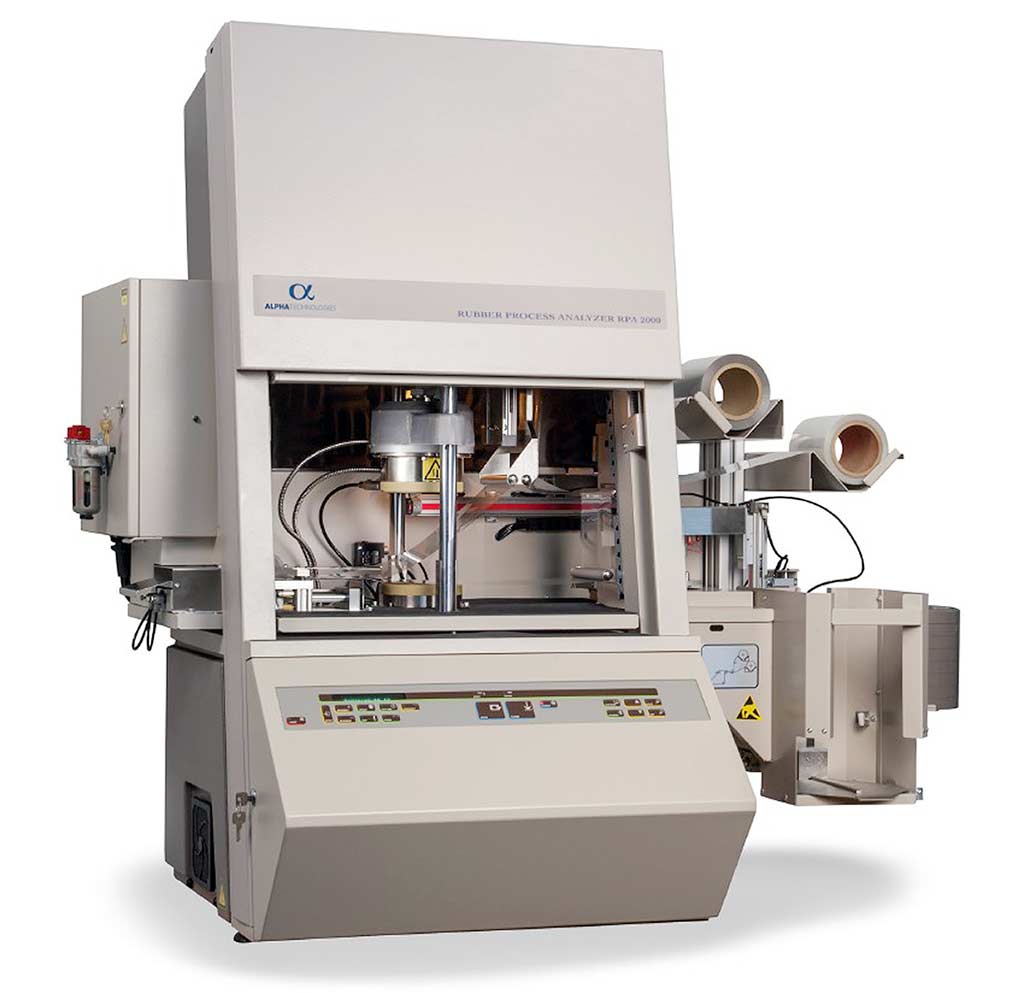
Alpha Technologies RPA 2000 Rheometer
Specifications
Overview
Technical Specifications
- Frequency range
- 0.1-3000 cpm
- Max. temperature
- 230°C
- Max. heating rate
- 1°C/s
- Max. cooling rate
- 0.5°C/s
- Max. strain
- +/-90°
- Test standards
- ASTM D5289/D6048/D6204/D6601/D7050/D7605/D8059
Weight & Dimensions
- Dimensions X/Y/Z
- approx. 800mm/700mm/1350mm
- Weight
- approx. 200kg
Accessories
Interested in this machine?
Get in touch with the seller for pricing, additional photos, technical specifications, or to arrange a viewing.
Contact Seller
Know someone who might be interested?
Share this machine with colleagues or friends
Share this machine
AI Description
BetaCapabilities
The Alpha RPA 2000 is a rubber process analyzer that measures how rubber and elastomer compounds behave under stress and temperature changes. It tests frequency ranges from 0.1 to 3000 cycles per minute, heats up to 230°C, and applies strain up to ±90°—giving you precise data on material properties like viscosity, elasticity, and cure characteristics. The machine complies with major ASTM testing standards, making results suitable for quality control, product development, and regulatory documentation.
Industries & Uses
Rubber manufacturers, tire producers, and material suppliers rely on rheometers like this for formulation work, batch testing, and R&D. If you're developing elastomer products or need to verify compound consistency before production, this analyzer gives you the technical foundation to optimize recipes and catch problems early.
What to Check When Buying
When evaluating this unit, request maintenance records and check the heating element and temperature sensors carefully—these are wear points in older instruments. Confirm the PC software runs on your systems and that all calibration documentation is included. Ask whether the spare parts come with consumables like platens or dies. Have a technician inspect the mechanical components for play or alignment issues, and verify that temperature control still meets specifications across the full range.
This description is AI-generated and is intended as a general guide only. As with all AI-generated content, it may contain inaccuracies. Please verify all details directly with the seller before making a purchasing decision.
Interested in this machine?
Get in touch with the seller for pricing, additional photos, technical specifications, or to arrange a viewing.
Contact Seller
Similar Machines
More machines in Material testing
Know someone who might be interested?
Share this machine with colleagues, partners, or friends who might be looking for similar equipment.