 Machine Octopus
Quality used machinery from trusted brokers
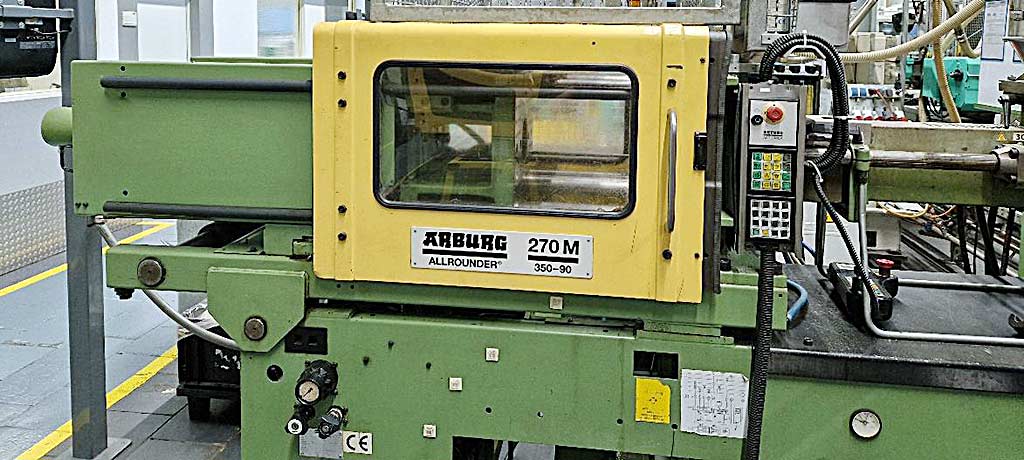
Arburg/Demag/Engel 270M/420C/370C/320M/viva/ES Injection Moulding Machine
Specifications
Overview
Injection Molding Machines
- Machine 1
- Arburg 270M 350-90, Year: 1996, Operating hours: approx. 110000h
- Machine 2
- Arburg 270M 350-90 U, Year: 1998, Operating hours: approx. 108000h
- Machine 3
- Arburg 270M 350-90, Year: 1992, Operating hours: approx. 178000h
- Machine 4
- Arburg 420C 1000-250, Year: 1995, Operating hours: approx. 96000h
- Machine 5
- Arburg 370C 800-225, Year: 1992, Operating hours: approx. 156000h
- Machine 6
- Arburg 320M 500-90, Year: 1991, Operating hours: approx. 94000h
- Machine 7
- Arburg 270M 350-90 U, Year: 1998, Operating hours: approx. 83000h
- Machine 8
- Arburg 630S 2500-675, Year: 2003, Operating hours: approx. 93000h
- Machine 9
- Demag Viva 100-400, Year: 1999, Operating hours: approx. 116000h
- Machine 10
- Engel ES 500/100 HLS, Year: 1998, Operating hours: approx. 103000h
Interested in this machine?
Get in touch with the seller to find out more, discuss pricing, or arrange a viewing.
Contact Seller
Know someone who might be interested?
Share this machine with colleagues or friends
Share this machine
AI Description
BetaCapabilities
Injection molding machines transform plastic pellets into finished products through heat, pressure, and precision molds. These versatile systems can produce everything from small consumer goods (phone cases, utensils) to larger automotive and industrial components. The machines in this lot—primarily Arburg models with Engel and Demag options—offer various clamping forces and shot sizes, making them suitable for different production scales and part complexities.
Industries & Uses
Manufacturers across industries rely on injection molding for cost-effective mass production. Food packaging companies, automotive suppliers, electronics manufacturers, and consumer goods producers all depend on these machines. They're ideal for businesses scaling production or starting a plastics manufacturing operation, as they enable quick changeovers between molds and consistent part quality.
What to Check When Buying
When evaluating used machines, request complete maintenance records and verify actual operating hours—older machines with lower hours often outperform high-hour units. Inspect hydraulic systems for leaks, check heating elements and temperature stability, and examine clamping mechanisms for wear. Ask about mold compatibility, control system condition, and whether spare parts are readily available. Test cycle times and part quality if possible. Given the age range here (1992–2003), prioritize machines with documented service history and consider refurbishment budgets.
This description is AI-generated and is intended as a general guide only. As with all AI-generated content, it may contain inaccuracies. Please verify all details directly with the seller before making a purchasing decision.
Interested in this machine?
Get in touch with the seller to find out more, discuss pricing, or arrange a viewing.
Contact Seller
Similar Machines
More machines in Injection moulding machinery
Know someone who might be interested?
Share this machine with colleagues, partners, or friends who might be looking for similar equipment.